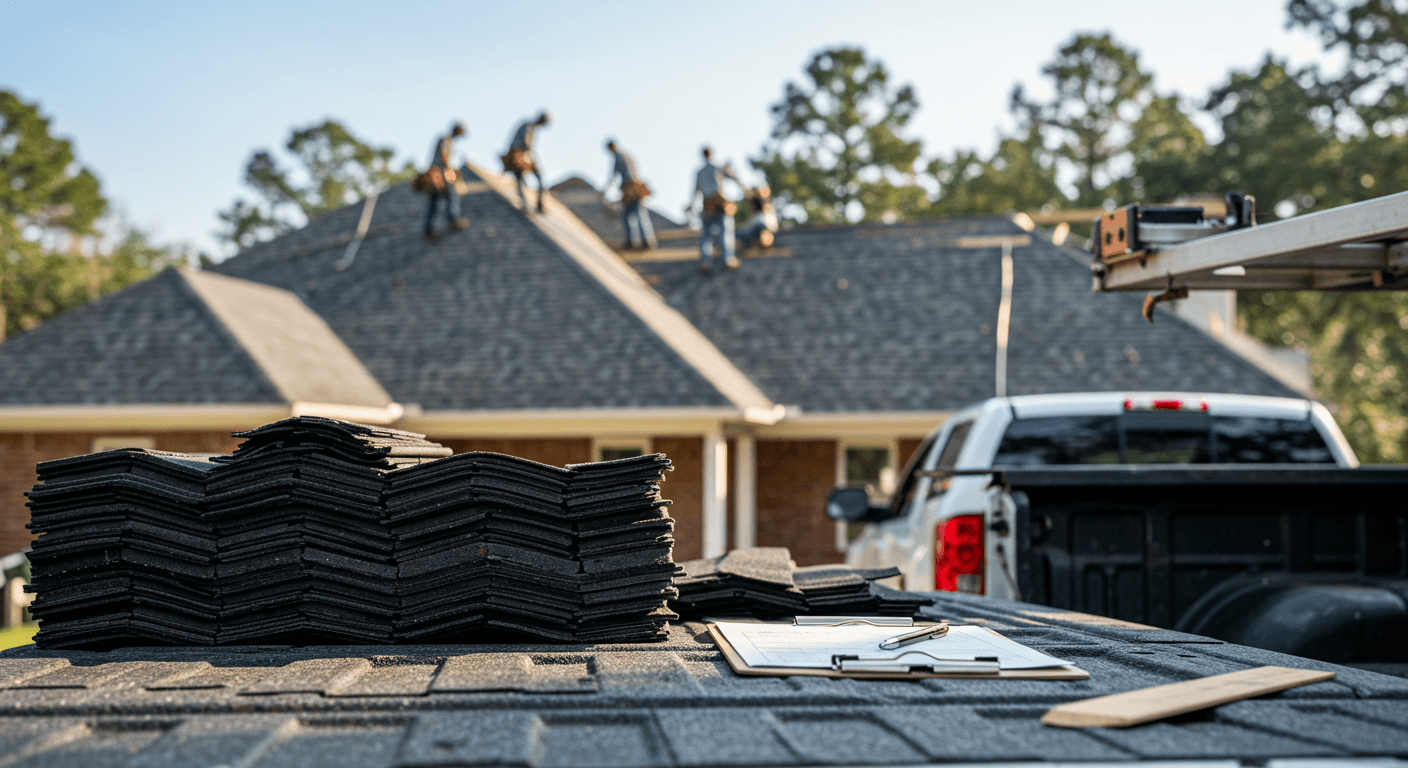
Javier kicked a pile of ruined flashing near a job site in Summerville. It wasn't just the $842 in wasted material; it was the three days of scheduled time down the drain because the sub-crew didn't follow the precise drip edge spec for a coastal wind zone. I stood there with him, looking at a spreadsheet that showed his gross margin on this project plummeting from 34% to 21.6% in a single afternoon. This wasn't an isolated incident. Over the last 14 months, I've analyzed performance data for 19 roofing companies across the Palmetto State, and the story is usually the same. The disconnect between the main office and the sub-crews is the single largest "hidden tax" on a roofing business. If you aren't tracking your subs with the same rigor you track your ad spend, you're likely leaving five figures on the table every quarter.
At a Glance
Tracking subcontractor callback rates can reclaim up to 6.8% of lost annual net profit.
South Carolina LLR compliance and insurance auditing are the top two areas for overhead leakage.
Shift from 'flat fee' to 'performance-incentive' structures to decrease project cycle times.
Real-time data sharing between sales and production prevents $1,200+ in estimated-vs-actual discrepancies.
The South Carolina Labor Market: A Data-Driven Reality Check
The roofing market in South Carolina isn't a monolith. If you're operating in the Upstate near Greenville, you're dealing with a massive influx of residential growth that has stretched the labor pool thin. Meanwhile, in coastal markets like Beaufort or Myrtle Beach, the technical requirements for wind-borne debris zones make finding qualified subs even harder.
I recently audited a firm in Columbia that was struggling with a 14.3% turnover rate among their preferred sub-crews. When we dug into the numbers, the issue wasn't the pay per square. It was the "wait time" between jobs. In a high-demand market, a crew that sits idle for 48 hours is a crew that starts looking at your competitors. According to research on organizational efficiency from Harvard Business Review, managing external partnerships requires more than just a contract; it requires an integrated communication loop.
The hidden cost of unmanaged subcontractor relationships compounds through rework, delays, and compliance gaps.
The Hidden Tax of "Good Enough" Management
Most owners view subcontractors as a variable cost. You pay them when they work, and they go away when they don't. But my data shows that "unmanaged" subs carry a heavy fixed-cost burden in the form of administrative friction and reputation damage.
Think about the last time a crew showed up without the right underlayment because the work order was vague. That's a 4-hour delay. At an average overhead cost of $165 per hour for a medium-sized roofing shop, that single communication breakdown just cost you $660. Multiply that across 127 jobs a year, and you're looking at $83,820 in "friction loss."
I've seen shops transform their pipeline by implementing more robust data tracking that alerts crews to specific site requirements before they ever leave the warehouse. This isn't just about being organized. It's about protecting the 30% to 40% gross margin you need to actually scale.
Navigating the South Carolina LLR and Insurance Minefield
In South Carolina, the Residential Builders Commission is strict about who can actually perform the work. If you are hiring subs who aren't properly licensed or insured, you aren't just risking a fine. You are risking an insurance audit that could retroactively hike your premiums by 22% or more.
I worked with a contractor in Rock Hill who was hit with a $12,400 workers' comp audit bill because he didn't have updated certificates of insurance (COIs) for a siding sub he used for three weeks.
The COI Trap
Never allow a sub-crew to step onto a South Carolina job site without a verified, current COI on file. An expired policy on a Tuesday can lead to a lawsuit on a Wednesday that your general liability won't cover.
According to the Occupational Safety and Health Administration (OSHA), roofing contractors must maintain strict compliance documentation for all workers on site, including subcontractors. Failure to verify insurance and licensing can result in significant penalties and increased insurance premiums.
The Performance-Based Comparison
Most roofing owners in Charleston and Florence still use a "flat rate per square" model. While simple, it provides zero incentive for quality or speed. I advocate for a "Quality-Retention" model.
Flat Rate vs. Performance-Based Sub Payment
| Factor | Flat Rate per Square | Base + Performance Bonus |
|---|---|---|
| Base Rate | $75/sq | $68/sq |
| Performance Bonus | $0 | $12/sq (no callback) |
| Callback Rate Impact | 11.2% average | 2.4% average |
| Crew Loyalty | Low (frequent turnover) | High (consistent crews) |
Base Rate
Performance Bonus
Callback Rate Impact
Crew Loyalty
By lowering the base but offering a significant "No-Callback Bonus," you align the sub-crew's goals with your profit goals. One client in Spartanburg saw their callback rate drop from 11.2% to 2.4% within five months of switching to this structure. The $7 savings on the base pay covered the admin costs of the program, while the bonus ensured the crews stayed loyal.
Bridging the Gap Between Leads and Production
A common mistake I see is a "silo" between the sales team and the production manager. The salesperson promises a 48-hour turnaround to close a $14,600 deal, but the production manager knows the only available sub-crew is backed up until next Thursday.
When the lead flow is inconsistent, you tend to take whatever crew is available, regardless of quality. This is where having a reliable source of verified opportunities becomes a tactical advantage. If you know you have 15 exclusive, high-intent leads coming in every week, you can negotiate better terms with high-quality subs because you can guarantee them consistent volume.
Pro Tip
"Create a weekly 'Capacity Meeting' between sales and production. Review the next 14 days of scheduled starts against available crews. This prevents the $1,200+ discrepancy between what sales promises and what production can deliver."
Implementation Strategy: The 30-Day Sub-Audit
If you want to tighten your operations, don't try to change everything at once. Start with a data audit.
Action Plan
The Sub-Performance Audit
A systematic approach to identifying and eliminating profit leaks in your subcontractor relationships.
Analyze Callback Frequency: List every job from the last 6 months and mark which crews required a return trip.
Calculate 'True Cost per Square': Add the cost of materials, base pay, and the cost of any rework or admin time spent on that crew.
Audit Compliance: Verify every COI and license against the SC LLR database.
Rank Your Crews: Use a simple 1-5 scale based on reliability, quality, and communication.
I've watched companies in the Lowcountry cut their operational overhead by $4,200 a month just by cutting ties with their "bottom 20%" crews and reallocating those jobs to their top-performers. It sounds counterintuitive to give more work to your most expensive crew, but when you factor in the $0 callback cost, they are often the cheapest option in the long run.
Closing Thoughts
Efficiency isn't just about how fast you can tear off a roof. It's about how much of that $15,000 contract actually stays in your bank account after the dust settles. If you're tired of watching your margins erode because of sub-crew friction, it's time to treat your production management with the same analytical rigor you use for your sales.
Before you buy your next batch of leads, take a hard look at your crew's capacity. If you aren't optimized to handle the volume, you're just paying to create more headaches. Start with verified leads that match your production capabilities, and build your sub-network around consistent, predictable demand.